In the launch edition of Mslexia magazine, we identified three main causes of ‘mslexia’:
- lack of time
- lack of confidence
- sexism in the literary world
This analysis, which we have supported with robust data and original research for nearly three decades, helps us to challenge assumptions about the abilities and potential of women writers.
Since 2011, we have conducted 25 surveys of women writers that have fleshed out a picture of underappreciated female literary talent. This research has highlighted additional factors – such as age, disability, maternity, race, class, sexual identity, mental and physical illness – that operate as significant challenges for women writers.
That's why the magazine’s contents include material on confidence, creativity, rejection, discrimination, procrastination and time management, as well as information on literary craft, career and opportunities. Mslexia was the first literary organisation to offer free counselling, childcare facilities and accessible accommodation to participants at its events.
To mark the 100th edition of the magazine in December 2023 we compiled data on gender equality in literature once again. This new data revealed that women have made significant advances in terms of publication, prizes and prominence in the publishing industry in the decades since the magazine’s launch.
'It has encouraged so many women to start on the path or take further steps along it to becoming professional writers' Mary Hoffman
Celebrating these successes, founder and editor Debbie Taylor cited Ginger Rogers, of whom it was famously said that she did everything that Fred Astaire did – but backwards and in high heels. This is because, as the survey to accompany the 100th edition revealed, though there has been some progress in women’s confidence and chances of publication, ‘what has not changed one iota is lack of time’ – as a result of women’s gendered caring roles. The two other major challenges she highlighted were ageism in publishing and the silencing of women’s voices on social media. Hence the continuing relevance of Mslexia’s publications and other activities.
There is no doubt that Mslexia has contributed to the increases in women’s literary confidence and achievements in the UK in recent years. For many thousands of writers, the magazine has been the ‘safe place’ to which they entrusted their first ever submission. Award-winning novelist Diane Evans credits Mslexia with motivating her ‘first tentative steps’ in her literary career. The award-winning poet Fiona Benson’s first published poem appeared in the magazine. They are part of a generation of women writers storming the literary prize lists, whose early careers were nurtured by Mslexia.
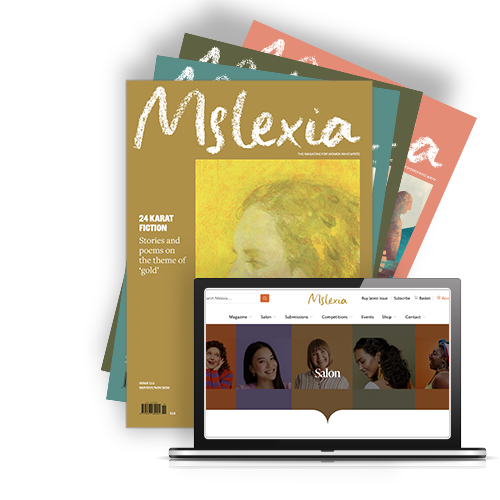
Today, Mslexia continues to champion women writers through our magazine, competitions, events, research and publication opportunities. Whether you're writing your first poem or your fifth novel, we're here to help your work find its readers.
Join thousands of women who have made Mslexia part of their writing life.

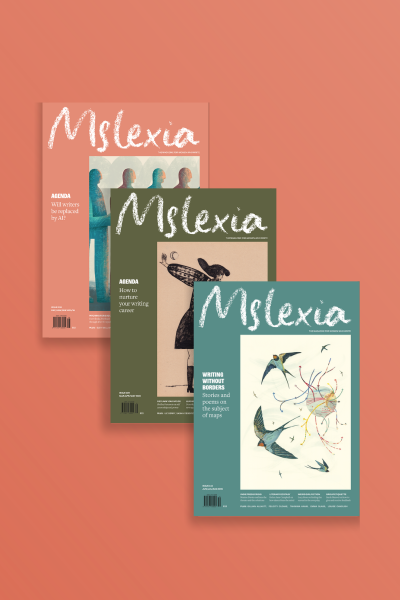
.jpg)
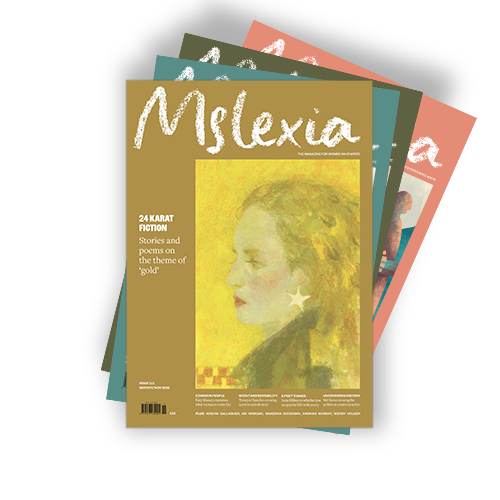

.jpg)
.gif)