What is your perceived ‘arrival moment’ as a writer? The point at which you’re meant to feel like you’ve finally made it? For many, it’s the long-awaited email from a literary agent offering representation, proof that someone within the industry officially recognises your writing talent. For others, it’s the debut: publishers covet it and organisations promise it through courses, mentoring schemes, and workshops. Both of these are framed as the ultimate milestones in a writer’s career, the finish line we’re encouraged to fix our eyes on above all else.
I should know. In 2022, after years of writing, I secured representation from a literary agency, and was flooded with feelings of validation, relief, and possibility. Yet, after a relatively short time working together, my agent had to leave the industry for personal reasons, and what I thought was an arrival moment turned out to be something far more temporary.
What this experience taught me is that publishing is a long game, and success is rarely linear. I’m not the only writer who has cycled through at least one agent, by chance or by choice. Even once a book is published, success isn’t guaranteed, because goalposts keep moving. Sales fluctuate, lists change, publishers pass on the next pitch, and life – finances, health, caring responsibilities – gets in the way. Often, it can be harder to stay in the room than stepping over the threshold in the first place.
Yet so much of the publishing industry is geared towards agent representation and debut stardom. While searching for an agent, there are webpages of advice, courses, and resources steering you towards these arrival moments. However, when you do cross that threshold, you can feel rudderless. When you’re published, pressure also worsens. Sales expectations, visibility, comparisons, financial instability, marketing demands all increase, yet with very little infrastructure to help navigate them. Particularly when success is measured by debut sales, one underperforming book can stall or kill a career before the writer has had the time, space, and support to grow.
One of my writing friends Melissa Welliver, author of My Love Life and the Apocalypse, The Undying Tower, and To the Death, agrees: ‘I’ve seen publishing companies collapse, had to self-publish, worked with different publishers on different types of contracts. It’s very much a roller coaster journey, and your career does not simply take off once you have the elusive book deal. For many writers, they may see that as the culmination of all their hard work, the promised gold at the end of the rainbow - when really, it's just the beginning.’
And when that gold at the end of the rainbow disappears with a click of a finger – or, in my case, a series of unfortunate events – the mindset of the false finish line means it can feel like starting over. I can tell you from experience that this sense of failure is a fast track to burnout, with thoughts of leaving the publishing world altogether.
Solving this issue isn’t about cynicism. We don’t need to extinguish the burning joy of representation or publication. We don’t have to undermine daydreaming, because the hope of those acceptances is what weathers the storms of writing. But I want the publishing industry to reframe moments as milestones and not endpoints, while investing in long-term, sustainable careers rather than short-term wins. Individuals and organisations who stop supporting writers once they’ve reached the initial publishing milestones are failing them at their most vulnerable stage.
But what does sustainability actually look like in practice?
I look to a corner of publishing that prioritises long-term writing careers. While indies can’t offer writers the same financial backing as larger publishers, with smaller advances and tighter marketing budget, they can invest in writers in other, more sustainable, ways. Free from legacy mindsets, indies are often more agile and innovative, which in turn drives new models of author career development. Their small budgets also lower the stakes: a book doesn’t have to be a commercial hit to be viable, allowing indie publishers to commit to writers long-term rather than chasing immediate returns. And because indie presses are smaller, they can also focus more closely on each individual writer and better support their growth.
James Shaw, Publishing Manager at Andrews UK Ltd, which includes Tiny Tree Books, describes Tiny Tree as a ‘platform publisher’: a launchpad for writing careers rather than a one-book transaction. Its small size keeps it agile, allowing for what Shaw calls “backwards compatibility”, where a debut enjoys delayed success.
Shaw explains: ‘A writer’s first book might only reach a few hundred readers, but the author hasn’t yet built their platform and following. They’re taking their first steps, and Tiny Tree Books is here to help them. By their second book, they’ve learnt from their first one – they’re getting out there, talking to people doing school visits. This can draw new audiences back to their debut. By their third book, the writer has now learnt about social media and marketing, and built a strong, receptive community, which could attract even further interest to their debut, such as foreign licensing.’ Initial commercial performance, therefore, could be a reflection of audience reach rather than the quality of the book itself.
This delayed success can come in different forms, one of which Shaw describes: if an author launches their career with a small indie, and subsequently grabs the attention of one of the Big Five, then the commercial hit of their later book can boost sales of their debut. As Shaw describes adds: ‘Authors can find success later on in their careers, and their earlier books find success later on too.’
He also believes that sustainability means reframing “arrival moments”. ‘One of the ways writers derail sustainable careers is to get published and then slow down or give up. Writers think they’ve “made it”, so their motivation fizzles out,’ comments Shaw, who compares this mindset to securing your dream job after years of hard work, then walking into the office late on your first day and putting your feet up.
‘Publishing your debut means you’ve got that dream job, so now that hard work begins. While you’ll now get help from your agent and your publisher, you still need to be actively building your writing career if you want it to be sustainable. The most successful authors are the ones that keep writing, even if they’re only selling ten books at a school visit.’
For Shaw, sustainability extends into how writers and publishers view trends. Instead of chasing the market, writers must build a body of work so they can adapt and react to the literary zeitgeist. Tiny Tree Books adopts a similar forward-thinking mindset, where Shaw might take on a book because of its future potential, even if right now it is not commercially viable. ‘I want that piece of IP in my publishing house so, when the time is right, when it speaks to a big socio-political event, or a current trend, then I want the opportunity to attract foreign rights and/or TV and film interest,’ explains Shaw.
These trends can change quickly, because trends are often based on the fickleness of personal taste, which is why Shaw admonishes writers who think their book won’t ever sell because a handful of people don’t like it. ‘Publishers are all looking for the next big romantasy, but all it takes is for an editor to read a book that really resonates with them and sell it well to the team. The book then breaks the mould and starts a new trend,’ adds Shaw.
Other independent publishers share this mindset. Bella Pearson, founder of Guppy Books, says: ‘As indie publishers, we don’t follow the market. We’re not looking for the next big book; we’re looking for next brilliant book. We don’t know what that is until it comes in, which creates a diversity of stories.’ Pearson also invests in writers rather than single titles, which means sticking with a writer even if their first book underperforms. ‘We’re a long-term home for writers, not just a business,’ she reassures.
This home comes with a small but supportive family who invest in career development: Pearson herself who, in the week we met, had already had one-to-one meetings with eleven clients (‘we have to work harder than bigger publishers,’ she says); two publicists, one for Middle Grade and one for Young Adult, always on hand to offer industry advice; and the writers themselves, one of whom recently ran an online event to help fellow Guppy writers prepare for school visits. ‘When you publish your debut, you’re at the beginning of your career journey, so there is a lot to learn. Guppy Books is here to guide you through the process,’ says Pearson.
And her advice for authors on how to sustain their careers? ‘Keep writing, keep bettering your writing, and don’t give up. If your first book has only sold 500 copies, don’t think your next book won’t be worth publishing.’
However, the responsibility doesn’t solely lie with publishers. Writers also need to adjust their own expectations and strategies to sustain their careers. Rachael Davis-Featherstone is an author, agent, and co-founder of Creative Roots Studio, which builds sustainable, long-term careers for children’s books creatives. Creative Roots Studio has developed three pillars of its business – a dynamic studio, an innovative agency, and creative coaching – to help creators maximise creativity, industry knowledge, and their opportunity for success.
Davis-Featherstone argues that sustainable careers need systems, strategy, and support, not just talent. ‘A sustainable writing career is 60% strategy, pitching, hustling, learning to navigate the industry, and finding stable income. Only 10% is actually writing and the rest is editing,’ says Davis-Featherstone, a passionate self-starter who advocates for writers exploring different publishing pathways and growing a portfolio career.
Davis-Featherstone’s own career is far from linear, and proves that an agile approach can sustain success.
‘When you start out, you’re told you’ll get a big deal and flashy career. However, I started with adult fiction, where I secured a one book deal, then wrote five more adult books that didn’t sell. So, I switched to children’s fiction and, three weeks into having an agent, I secured a deal with Hachette. Although the book was shortlisted for the prestigious Waterstones Children’s Book Prize for debuts, it didn’t lead to further deals,’ explains Davis-Featherstone. She’s also pivoted from fiction to non-fiction during lockdown, and after building direct relationships with editors across all the major publishing houses, she stepped away from an agency to self-represent. Now, Davis-Featherstone has over 25 books published across picture books, education books, chapter books, young adult, and adult novels in both fiction and non-fiction, published in over ten languages. She was also selected as a Bookseller Rising Star in 2025.
Davis-Featherstone’s banking background has helped her apply business-like strategies to her writing career, and inspire others to do the same. Through Creative Roots Studio’s coaching pillar – which she describes as more holistic than mentoring - she encourages writers take a long-view perspective. This coaching is aimed at more established writers, because of the lack of support for those further along the publishing road. ‘Mental blocks can also affect any writer, regardless of their success,’ adds Davis-Featherstone.
Through comparison with the corporate world, she has also identified flaws in publishing. ‘The pressure for writers is different than other industries. Setbacks feel more personal and financially destabilising. Yet there is no HR department to help overcome these setbacks,’ explains Davis-Featherstone. Instead, she asks questions that help writers build their own support systems and career ladders, creating a roadmap for sustainability.
Writing communities often provide that missing HR infrastructure. These communities can be informal, from online critique partners to local writing groups, or more organised, like SCBWI. I work closely with one of these organisations, WriteMentor, who I first accessed through their mentoring service, and have since joined their team to help grow their Hub community. Like Creative Roots Studio, WriteMentor reframes writing success through a more long-term, sustainable lens. As WriteMentor founder and Ghosts of Mars author Stuart White puts it, ‘A sustainable writing career isn’t about one perfect book. It’s about being able to write the next one, and the next.’
WriteMentor wants to dismantle the myth that a writer’s first book will be a huge commercial success. ‘So many writers are sold this illusion, and pin all their hopes onto it, willing to pay hundreds and thousands of pounds on courses to polish their masterpiece. The reality is that a tiny, decimalised percentage of writers have a chance of this kind of success with one novel,’ explains White.
‘Through community and peer accountability, WriteMentor instead helps writers build resilience and a growth mindset, not to help them get published – the empty promise of so many – but to be able to write story after story for the rest of our lives. Writing is not always a glamorous undertaking, and there will be more down days than up, so having a group of friends around you can make the difference between writing one book and giving up, and continuing to write another one,’ adds White.
Members of WriteMentor’s community echo that sentiment. Steve Blackman, whose upper-middle-grade tech debut Zero Override was recently acquired by Scholastic, notes that organisations who support writers in the long term tend to prioritise personal development (outcomes) over the immediate production of content (outputs). ‘This comes about through a persistent investment in skills, voice, and confidence. And persistence is essential, because success in writing is rarely immediate – it needs us to show up again and again,’ explains Blackman.
‘For this reason, sustainable organisations frame careers as gradual rather than urgent or competitive, and they set realistic expectations for that timeline,’ he adds. ‘They understand (and help us understand) that long-term development gives space for experimentation and risk-taking, which encourage us to be more ambitious, to strive for greater depth and originality. Transformative outcomes can only emerge through extended practice, and organisations like WriteMentor have the experience to stay the course and offer us writers support during and beyond the act of writing.’
Emma Finalyson-Palmer, whose middle-grade book Grimogen Darkstar: Bat-Cat-Tastrophe is published by Tiny Tree Books, agrees with Blackman. For her, a community-centred organisation doesn’t sell a single outcome, but instead focuses on the journey and equips writers with the tools they need to travel it.
‘Over time, that means building craft, confidence, networks, and perspective. Writers don’t just leave with a manuscript, but with a clearer understanding of the industry, stronger peer support, and the ability to adapt when the goalposts inevitably move. Perhaps most importantly, it offers a sense of belonging. You’re no longer working in isolation, but alongside people who understand what you’re doing and where you’re trying to go. That kind of support is fundamental to building a career that lasts, rather than chasing a single, fragile moment of validation,’ explains Finlayson-Palmer.
Everyone else I spoke to also recognised the huge importance of writing communities in sustaining long-term careers. ‘When I found writing, I found a home, and despite being a natural introvert, have gone on to forge strong, long-lasting connections,’ says Davis-Featherstone. These connections either led to career growth – through SCBWI, she met Creative Roots Studio co-founder, Fizz Osborne, and through mentoring via WriteMentor, she was inspired to offer coaching – or supportive friends, such as writers she met through Write Magic. And, in a full-circle moment, Davis-Featherstone professionally represents one of her critique partners who she met via her first writing course with Curtis Brown. ‘The lesson I’ve learned is the importance of collaboration. Find people that get what you’re trying to do and go on the journey together,’ she adds.
Shaw adds: ‘We are not individuals. As humans, we need external interaction to guide us in the right direction. Art is also so subjective. You might think what you’ve created is incredible, but it could be garbage or a diamond covered in garbage. You need trusted people around you who can be critical of your work. Don’t underestimate how important community is for sustainable success.’
The publishing industry is unlikely to abandon its focus on splashy debuts and breakout successes, nor should it entirely. But if longevity is the true marker of success, then sustainability needs to sit at the heart of how writers are supported. Long-term investment leads to better books, stronger careers, and more diverse shelves. Without it, writers who cannot afford repeated risk and setbacks – disproportionately those from marginalised backgrounds – are unfairly filtered out. Independent publishers already offer a model for doing things differently, something that larger publishers could look at for their own clients. Writing organisations, too, have a responsibility to move beyond marketing the illusion of instant success, and instead offer frameworks for writers to develop and adapt. And when institutional support falls short, as it often does, writers can, and must, build their own communities and roadmaps. As I continue to work out what sustainability looks like for more own career, I’m trying to hold onto this thought: success is not a single moment and setbacks – including losing an agent – aren’t failures. They aren’t the end of the story, but just one of many chapters. The goal, I’m slowly realising, isn’t to arrive at some fixed point of validation, but to stay - by continuing to write, by being open to learning, and by always find ways to remain in the room.
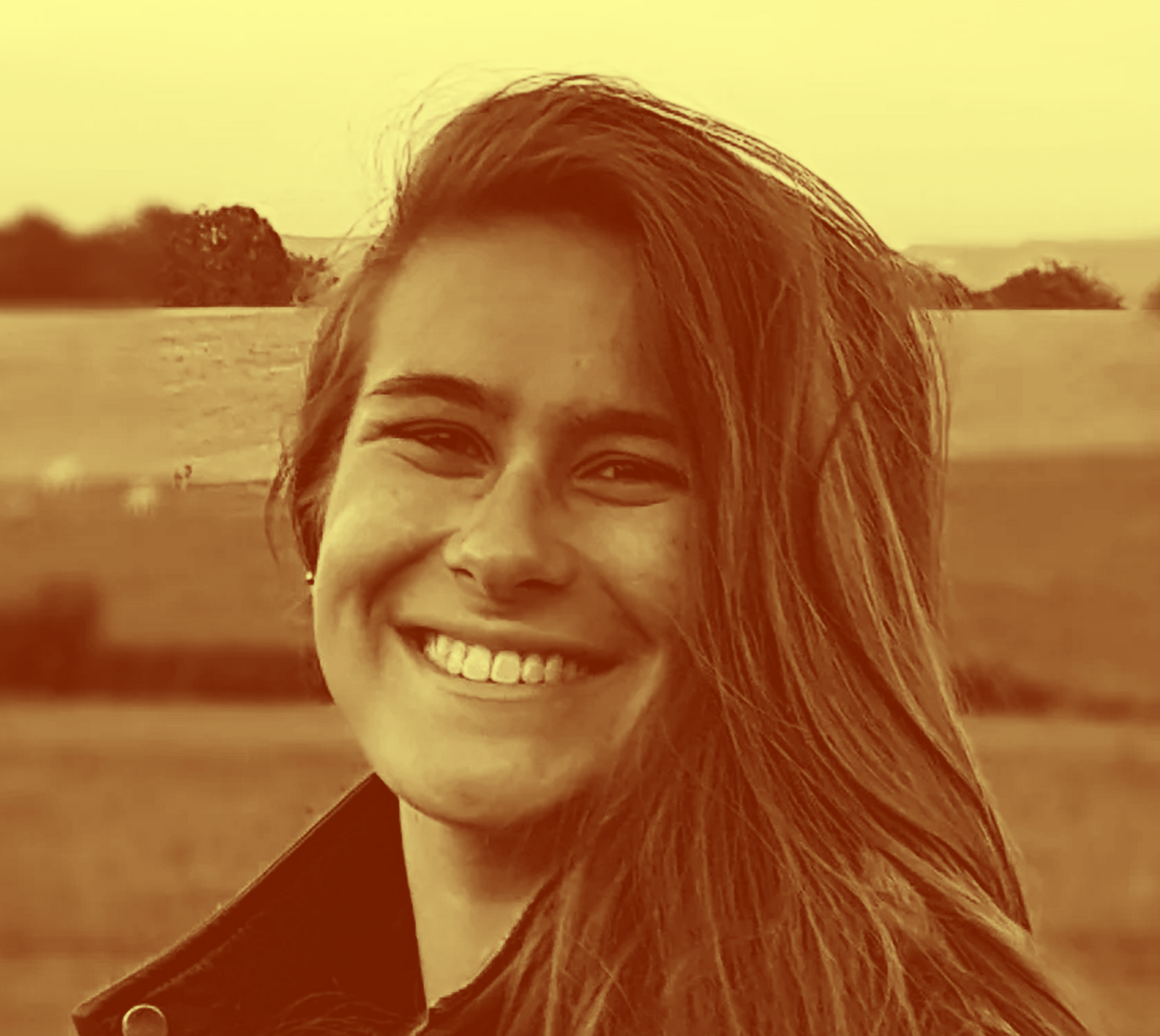
Florianne Humphrey is a freelance writer, marketer, and travel journalist represented by Deirdre Power of David Higham Associates. Working for WriteMentor, Florianne helps launch and grow the careers of children’s writers, collaborating with agencies, publishers and authors. She also enjoys developing and leading her own creative writing workshops. Florianne studied English at Durham and now lives and writes on the Norfolk coast, practising yoga, walking her bouncy golden retriever, and dreaming up her next travel adventure. @floriannetravels