
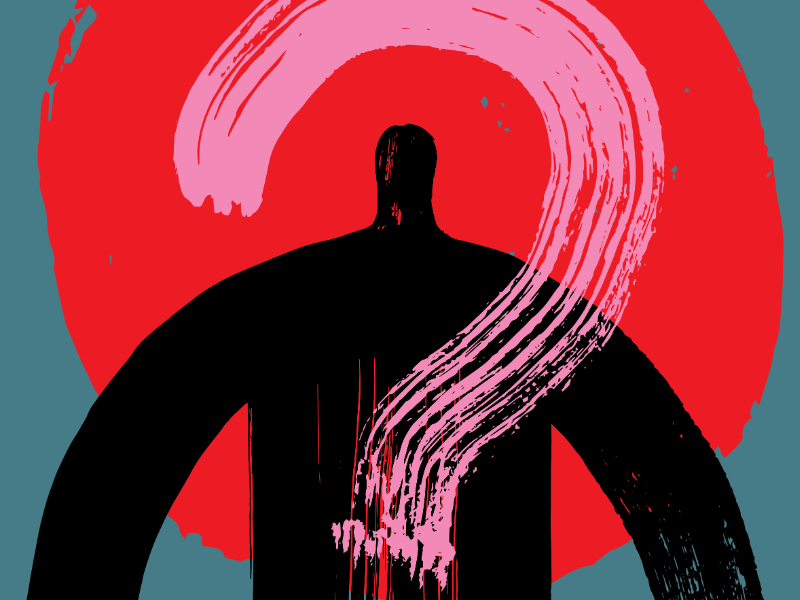
The Little Book by Louise Watts
‘a propulsive page-turning read – the prose style is spare and lyrical and the perspective feels fresh and exciting’ - BERNARDINE EVARISTO, NOVELIST
‘an intense and affecting novel written with a real emotional weight and an undeniable flair for character and voice’ - OLIVIA MAIDMENT, AGENT
‘a confident coming-of-age tale – I love how the various texts are woven into the narrative’ - LUCY POPESCU, CRITIC
Excerpt from the winning manuscript
First, I will tell you about the turkeys. They are not black, they are white. I pluck them on Saturdays.
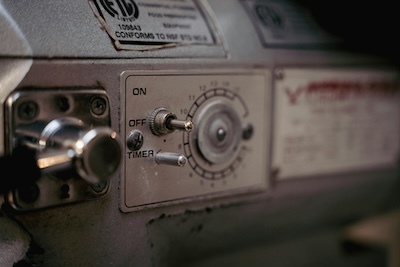
Mr Hanson is not really a farmer. He’s the father of my boyfriend. And he doesn’t wring their necks, he uses a machine: a lever attached to the wall. He wades through the sea of white turkeys in the barn, breathing heavily, and selects one. He talks to it, not unkindly: ‘Sorry about this, old fella, you’ve got to come along with me now, it’s your turn,’ and, carrying it tightly in his arms, knees bent, comes into the plucking room.
I do not look. But I can hear. The laboured breath of Mr Hanson, the shuffle, the pause; the sound of the lever; the furious flapping. They seem to become more alive than they have ever been: thrashing, farting, beating their giant white wings. It is tempestuous and spirited, their objection. But it is too late. They are already dead.
Mr Hanson laughs at me, and says it’s just their nervous system, that their necks are broken. But it is upsetting: the mechanics of death, the fluster and disaster of it.
Then Mark and I have to work quickly. The feathers come out easily while the turkey is warm, but leave it too long and everything starts to stiffen. And it is more about stripping than plucking. I pull, pull, feathers out in handfuls, in rows. It’s important not to tear the flesh. Some birds shit suddenly – a light-brown bubbling stream all over my apron and hands, and down my legs. The bodies are still busy. They fart and sigh. They blink. Sometimes they look up, raising their heads, to examine what it is that is happening to them.
‘Oh no,’ they think. ‘Not this.’
Mr Hanson comes along to pull the long feathers from the tail and wings with pliers. Then he takes the bird away to extract its tendons. There is another machine for this. Mr Hanson scrapes a little skin off the joints, snips the tendons, then attaches the ends to the machine as though threading a needle, and cranks. If he has got it right, they come out in one go, and hang like plastic string.
For Mr Hanson, it is a hobby. It brings in a bit of extra income and keeps him busy. He pays generously and I get a free turkey at Christmas. Mark stands beside me in his white coat. Even though there is space between us, and the air smells of turkey urine and he is not touching me, I can feel his body.
How I did it
I have been working on parts of this novel separately for years, but it’s only recently that I’ve had the confidence to bring them all together.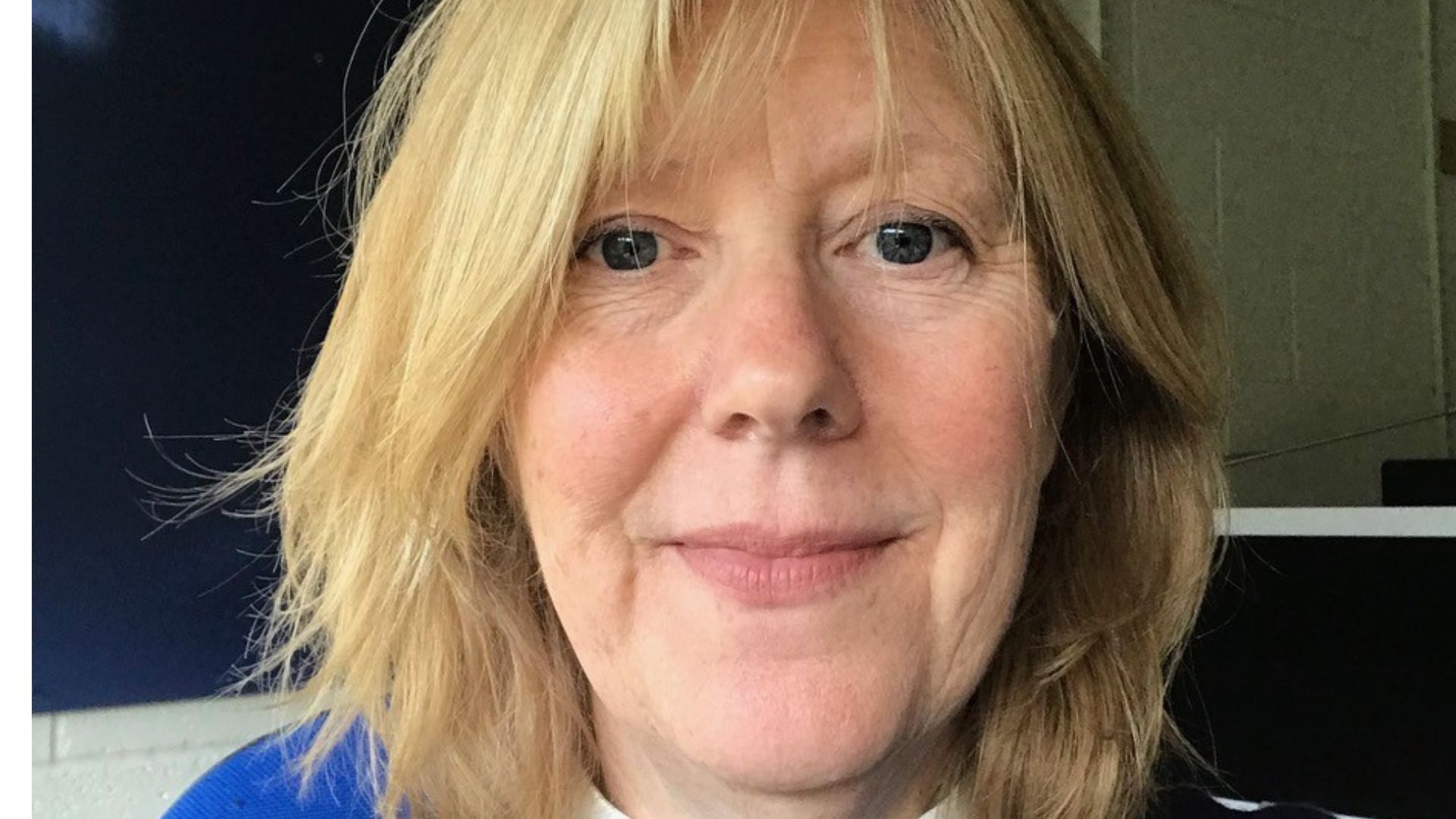
I have three separate folders of writing, each dealing with a different theme. One is called ‘I’m not a mother’, about a young woman with a summer job looking after someone else’s children. Another is just called ‘Work’, which has writing based on my temporary jobs, like office work and cooking, picking tomatoes and plucking turkeys. I’m interested in that experience of dutifully turning up to work every day, putting on a mask and hiding your true passions. The third folder is called ‘Schoolgirl’, with pieces about being at school, being a teenager, reading Virginia Woolf.
I’m very interested in girls’ and women’s aspirations, and how they’re often thwarted – by their parents, by social norms, by economic realities. That’s a theme I explore in the novel. I’m also interested in mothers and daughters, which is also a theme in the novel.
Writing has been central to my life for as long as I can remember. I did a PhD on the early poetry of T S Eliot but I never felt like an academic. Then I worked in publishing, but never felt at home there either. I’m now back working in a university, organising adult education courses, but writing is still my primary focus.
I started out writing poetry, then very short fiction – this was before flash emerged as a genre. Gradually the prose pieces got longer and turned into short stories. And three years ago I wrote an entire novel, which was shortlisted in the Mslexia Novel Competition. I didn’t feel ready to approach an agent; I just kept ruthlessly editing and changing things to make it better. I was also writing a memoir, about repeating patterns in the relationships between mothers, sons and daughters, which won the Bridport Prize in 2024.
Those two successes gave me the confidence to look again at the writing in those three folders. They’d always been connected in my mind, at some level, but I began to see how I could develop them into a coherent narrative that would have a playful stylistic aspect to it. There are still things I want to change, but I feel ready to look for an agent now.
LOUISE WATTS works as a coach and provides training courses for adults. She also trained as a counsellor and has a diploma in creative writing. Her short fiction and poetry has appeared in Ambit, Aesthetica, The Rialto, and elsewhere.
The Finalists
Otherling by Gilli Fryzer
The Brontës and other Brutes by Jane Dotchin
Ogre Dancer Bird by Nyk Irvin
The Shortlist
Rainboy by Margot Mazzia
Operation Flamingo by Dinnah Rippon
The Trabant by Catherine Pease
The Lucas Lie by Elizabeth Isaacs
Blank Child by Christabelle Dilks
From Monsters Made by Rebecca Spillett
Keepers of Silence by Jeri Admassu
The Society of K by Charlotte Morgan
Meet the winners of all competitions
.png)

.png)